
How HIV Testing Works and What to Expect
How HIV testing works becomes much easier to understand when you know what the test is checking for, how timing affects the result, and what usually happens before and after the appointment. HIV testing is not just about getting a yes or no answer. It is part of a broader HIV testing process that may include screening, follow-up testing, prevention planning, and next-step care. According to the CDC, there are three main types of HIV tests, and each one has its own window period, which affects how soon HIV can be detected after exposure.
Knowing what to expect can make the process feel less stressful. From the sample collection to the timing of results, understanding the basics helps you make more informed decisions about testing and follow-up care.
How the HIV Testing Process Works
Understanding how HIV testing works is easier when it is broken down into the main steps. The type of test used, the sample collected, the timing of the test, and the next steps after the result all shape the experience.
HIV Tests Look for Different Markers
There are several types of HIV tests, and each one checks for something different in the body. Antibody tests look for the immune response to HIV. Antigen/antibody tests look for both antibodies and the p24 antigen, which may appear earlier than antibodies alone. NAT tests look for the virus itself in the blood. According to the CDC, these are the three main categories of HIV tests used today.
Because each test detects a different marker, the timing of the test matters. One person may test negative with one type of test and need follow-up later, while another may get a clearer result sooner depending on the method used.
The Sample May Be Blood or Oral Fluid
The HIV testing process usually involves either a blood sample or an oral fluid sample. Some tests use blood drawn from a vein, while others use a finger stick. Certain self-tests use oral fluid instead.
This can affect what to expect during HIV test visits. In some settings, the test may feel quick and simple, especially with a finger-stick or oral fluid test. In other cases, lab work may take longer and involve a separate follow-up for results.
Rapid Results and Lab Results Have Different Timelines
Rapid HIV test results can often be available on the same day, sometimes within about 20 to 30 minutes. Lab-based testing may take longer, depending on the type of test and the facility handling the sample. WHO rapid testing guidance notes that rapid HIV tests are often completed within about 10 to 30 minutes, which can help reduce delays in care.
This timing difference matters for people who want quick clarity, but it is also important to remember that speed does not replace accuracy. The right test still depends on how recently the possible exposure happened.
Timing Matters Because of the Window Period
The HIV testing timeline affects how reliable a result may be. Every HIV test has a window period, which is the time between exposure and when that test can accurately detect HIV. According to the CDC, NATs can usually detect HIV sooner than antibody tests, while antibody tests often take longer to show a positive result.
This is why timing is such an important part of how HIV testing works. A negative result taken too early may not be a final answer. It may simply mean the test was done before that method could detect infection.
Results May Lead to Follow-Up Testing
Testing does not always end with the first result. A positive result may need confirmatory testing. A negative result taken during the window period may also need follow-up later for a clearer answer.
That is one reason the HIV testing process should be viewed as a step-by-step experience rather than a single moment. In some cases, the next step may involve repeat testing. In others, it may shift toward prevention planning, especially when someone is also thinking about what to do after possible HIV exposure.
When to Get Tested for HIV and Why Timing Matters
Knowing when to get tested for HIV is just as important as understanding the test itself. The CDC recommends that everyone between the ages of 13 and 64 get tested at least once, while people with certain risk factors may need testing more often. Testing is not only for people with symptoms or a known recent exposure. It is also part of staying informed about your health.
This is also why HIV screening is part of routine healthcare, deserves more attention. Routine screening helps identify infections earlier, supports faster treatment, and creates more opportunities for prevention planning. For some people, testing becomes part of regular preventive care rather than something they only think about during a stressful moment.
Timing matters even more after a recent exposure. Testing immediately may still be useful, but early results have to be understood in light of the window period. Some people may need an initial test followed by repeat testing later. In that same period, they may also start learning more about HIV prevention options like PrEP and PEP, especially if they want to lower future risk or respond quickly after a concern.
What to Expect After the Test and How Care Moves Forward
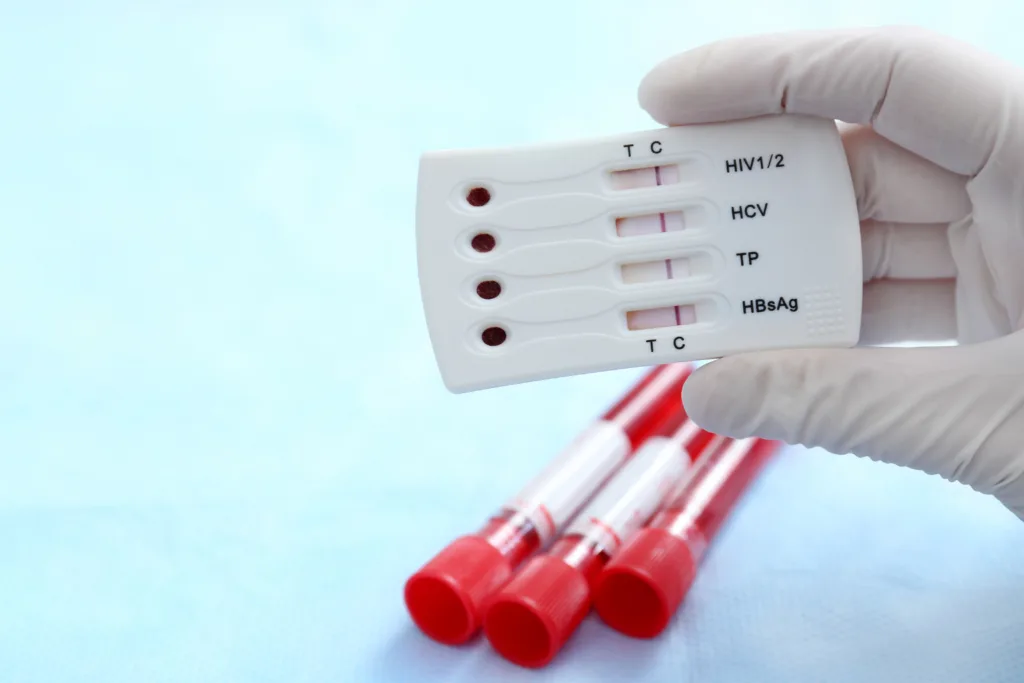
The next step after testing depends on the result and on when the test was taken. A negative result may be reassuring, but if the test happened too early, repeat testing may still be needed. A positive result usually leads to confirmatory testing and then follow-up care.
WHO explains that HIV testing services are meant to do more than provide a result. They are also intended to link people to prevention, treatment, care, and counselling. That makes HIV testing part of a larger care pathway rather than a standalone event.
For some patients, the next step is prevention planning. For others, it is treatment and ongoing monitoring. MedlinePlus explains that HIV can weaken the immune system over time, and CD4 testing may later be used to help assess immune system health in people living with HIV. These details usually come after diagnosis, but they show why testing matters beyond the first appointment.
For people who want private and flexible support after testing, Online PrEP and PEP Care may also become part of the next-step conversation. Testing, prevention, and ongoing care all connect, and understanding one part of the process makes the rest easier to navigate.
FAQ About HIV Testing
HIV testing works by checking for specific signs of infection, such as antibodies, antigens, or the virus itself. The type of test used affects how early HIV can be detected and how long results may take.
What happens during an HIV test depends on the test type. You may have blood drawn from a vein, a finger-stick blood sample, or an oral fluid sample collected. Some tests provide same-day results, while others require lab processing.
Some rapid HIV test results may be available in about 20 to 30 minutes. Lab-based tests may take a few days, depending on the testing method and facility.
The CDC recommends at least one HIV test for most people and more frequent testing for those at higher risk. Testing may also be recommended after a recent possible exposure, with follow-up timing based on the window period.
The window period is the time between HIV exposure and when a test can accurately detect infection. Because different tests have different window periods, a negative result shortly after exposure may still need follow-up testing later.
Get Clear Guidance on How HIV Testing Works at DevotedDOc
Understanding how HIV testing works can make the process feel less overwhelming. Whether you are trying to understand the HIV testing process, preparing for testing, or sorting through next steps after a concern, clear guidance helps.
Our clinicians at DevotedDOc work with patients who need support around testing, prevention planning, and follow-up care. If you need help understanding testing, timing, or Online PrEP and PEP Care, connect with DevotedDOc to get care that is private, practical, and built around your needs.